While mastering the art of cocktail preparation is certainly a key ingredient for enjoying delightful aperitifs, presenting them with flair is equally crucial. Garnishes, or decorazioni cocktail, can be indispensable, contributing to the overall taste profile of a cocktail, or they can be optional additions. However, one thing is certain: they are always appreciated, as they complete the sensory experience of a cocktail in a 360-degree manner, engaging not just taste, but also smell and, finally, sight. Understanding what garnishes are and how to create them can elevate your drink-making skills significantly.
The Essential Role of Garnishes in Cocktails
Garnishes are more than just pretty additions; they are an integral part of the cocktail experience. They can enhance the aroma, add subtle flavors, and provide a visual cue that primes the drinker for the taste to come. A well-chosen garnish can transform a simple drink into a work of art, reflecting the care and attention put into its creation. This is especially true when considering the nuances of specific ingredients like bananas, which offer a unique aromatic and flavor profile that can be beautifully complemented by thoughtful decorations.
Citrus: The Timeless Classics of Cocktail Garnish
Simple to use and aromatic, citrus fruits are among the most popular choices for cocktail garnishes. Their bright acidity and fragrant oils can cut through sweetness, balance flavors, and add a refreshing zest.
Lemon as a Versatile Garnish:Lemon is a prime example of a fruit garnish that is widely used. Its versatility allows for several applications:
- Thin Slices: A thin slice of lemon peel, especially if using organic, untreated lemon, can be immersed directly in the drink or placed on the rim of the glass after making a small cut in the pulp. This method releases a subtle citrus aroma as you drink.
- Lemon Twist (Peel): The peel of a lemon, again, strictly untreated, can be expertly cut using a paring knife or a small-bladed knife. By avoiding digging too deep, you can prevent incorporating the bitter white pith. A rectangular strip of peel can be added to the drink, releasing its essential oils.
- Lemon Oils: The essential oils from the lemon peel can be expressed directly over the cocktail or the rim of the glass, providing an immediate burst of fragrant citrus aroma. This technique is a hallmark of professional mixology.
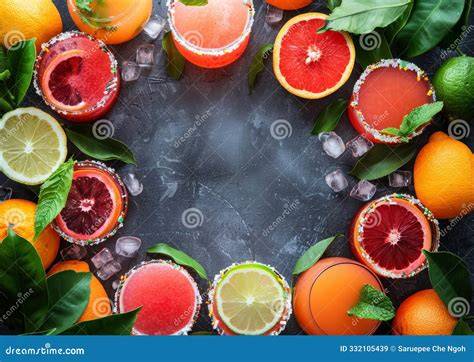
Orange: A Sweet and Vibrant Alternative:Used just as frequently as lemon, orange is simple to prepare and undeniably impactful as a cocktail decoration.
- Orange Slices or Wedges: A slice of orange, varying in thickness, can be served whole or halved. It can be placed into the cocktail or perched on the rim of the glass with a small cut.
- Orange Peel: The peel of the orange, preferably untreated, can be carefully removed with a knife, ensuring not to include the bitter white part.
- Orange Oils: Similar to lemon, the essential oils from the orange peel can be utilized. A strip of peel can be squeezed over the cocktail or the glass rim, releasing its sweet, aromatic essence.
Berries and Flowers: Adding Delicate Elegance
Beyond citrus, other fruits and even edible flowers can add unique charm and flavor to cocktails.
Strawberries: A Touch of Chic Sophistication:Delicate, chic, and visually appealing, strawberries are a beautiful garnish, especially when they are in season and at their flavor peak.
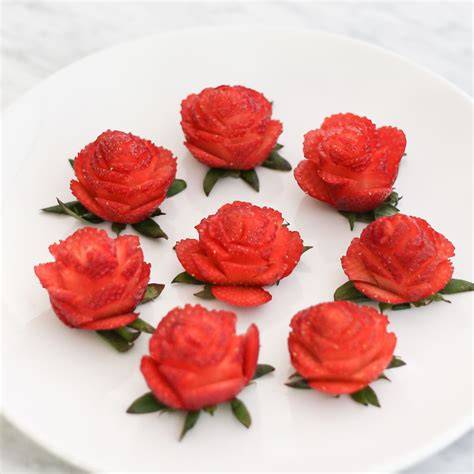
- Strawberry Rose: For a more elaborate presentation, larger, juicier strawberries can be transformed into a rose shape. This involves carefully making small cuts along the sides of the strawberry, starting from the tip, using a small-bladed knife, creating petal-like layers.
Edible Flowers: Nature's Colorful Embellishments:For those who love "petal-filled" cocktails, flowers offer a vibrant and whimsical alternative to fruit garnishes. The key is to select only edible flowers, ensuring they are safe for consumption. These can add a delicate floral note and stunning visual appeal.
The Rise of Banana in Cocktails and its Liqueur
While citrus fruits and berries are traditional, the banana is emerging as a star ingredient, particularly in the form of banana liqueur and its applications in cocktails. Recent industry reports indicate a significant increase in banana liqueur sales, suggesting a growing appreciation for this tropical flavor.
The Resurgence of Banana Liqueur:Banana liqueur, or crème de banane for those seeking a more sophisticated term, is experiencing a renaissance. This sweet, fruity spirit has the power to transform ordinary drinks into tropical escapes. In the current landscape, there's a notable shift towards homemade versions, challenging the dominance of commercial products.
Understanding Banana Liqueur:The journey of banana liqueur from its Caribbean origins, likely born out of a desire to preserve excess ripe bananas, has evolved into a sophisticated art form. We've moved past mass-produced bottles that often taste more like candy than fruit, towards small-batch creations that capture the true essence of a perfectly ripe banana.
Historical Context:The genesis of banana liqueur lies in the sun-drenched Caribbean. Its creation was a practical solution to utilize abundant fruit, eventually finding its way into commercial production, though not always with the fidelity to the fruit's natural flavor.
Contemporary Trends:Today, artisanal distillers are treating bananas with the same reverence as fine wine grapes. This focus on small batches, organic ingredients, and meticulous techniques is yielding remarkable results, revitalizing the appeal of banana liqueur.
The Science Behind Banana Flavor
Creating the perfect banana liqueur involves more than simply combining bananas and alcohol. A deep understanding of the chemistry of bananas is fundamental.
Isoamyl Acetate: The Signature Scent:Isoamyl acetate is the primary chemical compound responsible for the characteristic banana aroma and flavor. Artificial banana flavors often fall short because they struggle to perfectly replicate this compound. In liqueur production, the goal is to efficiently extract this natural component from the fruit.
The Crucial Factor of Ripeness:The ripeness of the bananas is not just about their texture; it's a critical determinant of the liqueur's flavor profile. As bananas ripen, their chemical composition changes, influencing sweetness and aroma. Achieving the right balance in ripeness is key to producing a high-quality liqueur.
According to Gastronom Blog, a typical batch of homemade banana liqueur uses approximately 4 medium-sized bananas for every 16 ounces of base spirit.
Ingredients for Crafting Banana Liqueur
In 2024, the selection of ingredients for banana liqueur is a deliberate process, aiming for "liquid gold." Every component plays a vital role in the final product.
Choosing the Right Bananas:Not all bananas are created equal when it comes to liqueur making. The variety chosen can significantly impact the flavor.
- Banana Varieties: Varieties like Cavendish, Lady Finger, and Red Dacca can offer distinct flavor nuances. Cavendish provides a reliable, solid banana flavor. Lady Finger offers more delicate notes, while Red Dacca can introduce unique characteristics.
- Organic vs. Conventional: The debate continues between organic and conventional bananas. Organic proponents emphasize cleaner, more intense flavors free from pesticides. Others argue that proper ripening can overcome differences in cultivation methods.
Base Spirits:The choice of base spirit is crucial. While rum and vodka are common, exploring other options can lead to exciting results.
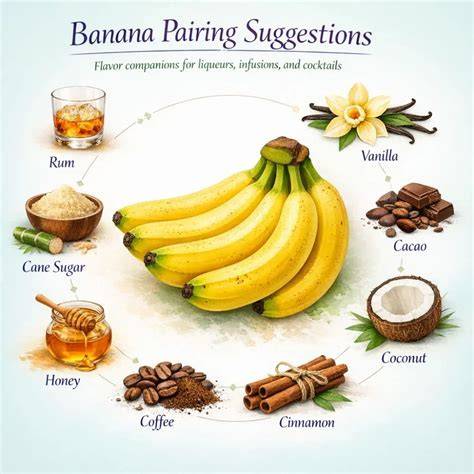
- Rum-Based Liqueurs: Rum and bananas are a classic pairing. White rum keeps the flavor profile clean, allowing the banana to shine. Aged rum introduces notes of vanilla and caramel, while spiced rum can add a layer of complexity.
- Vodka-Based Alternatives: Vodka serves as a neutral canvas, enabling the pure essence of the banana to emerge. This is ideal for highlighting the specific nuances of a chosen banana variety.
Sweeteners and Additives:Creativity with sweeteners can redefine banana liqueur.
- Natural Sweeteners: Honey can impart floral complexity. Agave nectar offers a distinct character, and maple syrup adds its unique profile. Each sweetener brings its own personality, encouraging experimentation.
- Spice Infusions: A hint of vanilla can smooth the liqueur. Cinnamon adds warmth, and exotic spices like cardamom can transport the palate. The key is to complement, not overpower, the banana flavor.
The Production Process: From Infusion to Clarity
The production of banana liqueur involves meticulous techniques, pushing the boundaries of flavor extraction.
Infusion Methods:Several methods can be employed to infuse banana flavor into spirits.
- Cold Infusion: This patient method involves slicing bananas and steeping them in the chosen spirit over time. It preserves delicate banana flavors that might be affected by heat.
- Sous Vide Technique: This method uses precise temperature control to accelerate flavor extraction. It allows for efficient infusion in a shorter period, but care must be taken to avoid overheating, which can result in a jam-like consistency.
- Vacuum Infusion: This highly efficient technique uses a vacuum to force the spirit into the banana's cellular structure, extracting flavor rapidly. However, it requires specialized equipment.
Filtration and Clarification:Achieving a clear, appealing liqueur requires careful filtration.
- Gravity Filtration: A traditional and effective method using strainers and cheesecloth to remove solids. It requires patience but yields good results.
- Centrifugal Clarification: This advanced method uses centrifugal force to separate solids from liquids quickly, resulting in a crystal-clear product.
Blending and Balancing:The art of blending and balancing flavors is akin to conducting an orchestra. The banana notes take the lead, supported by sweeteners and any added spices, creating a harmonious symphony in a bottle.
Flavor Profiling:This stage involves a detailed analysis of the liqueur's taste, from the initial banana impression to the sweetness and the lingering finish. The goal is to achieve a desired profile, whether it's a "tropical vacation in a glass" or a "sophisticated banana essence."
Aging and Mellowing:Aging can smooth out any rough edges in the liqueur, allowing flavors to meld and mature. This process can enhance complexity, but it's important not to overdo it, especially when aiming for a fresh banana profile.
Flavor Variations and Innovations
The world of banana liqueur is expanding beyond its traditional form, embracing innovative flavor combinations.
Tropical Fruit Fusions:Creating flavor fusions that evoke a sense of tropical paradise.
- Banana-Pineapple: This dynamic duo creates a liqueur that is a tropical party in the mouth, balancing the banana's creamy sweetness with pineapple's tartness.
- Mango-Banana: This combination offers a sophisticated profile, merging the creamy sweetness of banana with the lush, almost floral notes of mango, perfect for elegant cocktails.
Spiced Banana Liqueurs:These variations add excitement and complexity.
- Banana and Cinnamon: A comforting and cozy combination, perfect for autumnal or warming cocktails.
- Cardamom-Banana Blends: Sophisticated and complex, the aromatic spice of cardamom awakens the creamy banana, creating an unexpected and refined liqueur.
Chocolate and Coffee Variants:Introducing decadent and indulgent notes.
- Mocha-Banana Liqueur: Smooth, rich, and with a hint of caffeine, this liqueur blends the creamy banana with bitter coffee and indulgent chocolate notes, a dessert in a glass.
- Banana and White Chocolate Fusion: Luxurious and velvety, the subtle cocoa butter notes of white chocolate perfectly complement the banana, creating a dangerously drinkable liqueur.
How To Make The Perfect Banana Daiquiri
Sustainability and Ethical Considerations
In 2024, responsible sourcing and production are paramount.
Sourcing Sustainable Bananas:The quest for sustainable bananas involves ethical considerations.
- Fair Trade Bananas: Fair Trade bananas ensure fair practices for farmers, contributing to a more ethical supply chain for the fruit used in liqueur production.
The journey of banana as a cocktail element, from simple garnishes to complex liqueurs, showcases its versatility and enduring appeal in the world of mixology.
tags: #decorazioni #cocktail #banana